43 how to label reactants and products
Solved Part D Label the reactants, products, intermediates, - Chegg Part D Label the reactants, products, intermediates, and transition states. Identify the rate-determining step. Drag the appropriate labels to their respective targets. Reactants Products Chemical Reaction Teaching Resources | TpT 5.0. (27) $1.75. Zip. In this worksheet consisting of 30 problems, students will be given the reactants in a chemical reaction and will have to do the following: (1) predict whether or not a reaction will occur, (2) name the type of reaction (synthesis, decomposition, single displacement, or double displacement), (3) write the correct formulas ...
15.2: The Equilibrium Constant (K) - Chemistry LibreTexts Aug 14, 2020 · Many reactions have equilibrium constants between 1000 and 0.001 (\(10^3 \ge K \ge 10^{-3}\)), neither very large nor very small. At equilibrium, these systems tend to contain significant amounts of both products and reactants, indicating that there is not a strong tendency to form either products from reactants or reactants from products.

How to label reactants and products
Mole Relations in Balanced Equations Example Problems - ThoughtCo The first step is to check to see that the chemical equation is balanced. Make sure the number of atoms of each element are the same on both sides of the equation. Remember to multiply the coefficient by all atoms following it. The coefficient is the number in front of a chemical formula. Multiply each subscript only by the atom right before it. a (3).docx - a. Label the reactants and the products in the... Label the reactants and the products in the following chemical equation. (1 point) CH4+ 2O2 CO2+ 2H2O Co2 and 2H2O are products and Ch4 and O2 are the reactants reactants = CH 4 and 2O 2 products = CO 2 and 2H 2 O Label the reactants and products, and indicate how many atoms of each ... Label the reactants and products, and indicate how many atoms of each type of element are present on each side of the equation. C2H6O (l) + 3 O2 (g) → 2 CO2 (g) + 3 H2O (g). Reactants are on the left side of the arrow and products are on the right side in a chemical equation.
How to label reactants and products. What are examples of reactants and products in chemistry? Answer (1 of 9): 1. H2 + O2-->2H2O Here h2 and o2 are reactants. and h2o is product 2. FeO2 + SO2-->FeSO4 Here again FeO2 and SO2 are the reactants while FeSO4 is the product IXL | Learn 5th grade science Identify reactants and products 3. Identify mixtures E. Energy transformation. 1. Energy transformation ... Label parts of water cycle diagrams 3. How to Draw & Label Enthalpy Diagrams - Study.com This enthalpy diagram has starting products, ending products, delta H, and activation energy labeled There are two different types of energy changes in reactions, endothermic and exothermic.... Kirchhoff's Law - Chemistry LibreTexts Aug 15, 2020 · Kirchhoff's Law describes the enthalpy of a reaction's variation with temperature changes. In general, enthalpy of any substance increases with temperature, which means both the products and the reactants' enthalpies increase. The overall enthalpy of the reaction will change if the increase in the enthalpy of products and reactants is different.
Reactants and Products | Chemistry for Non-Majors - Course Hero The reactants are all written on the left-hand side of the equation, with the products on the right-hand side. An arrow points from the reactants to the products to indicate the direction of the reaction: reactants → products When appropriate, a symbol may be written above or below the arrow to indicate some special circumstance. Reactants/products charts Flashcards | Quizlet Terms in this set (33) List the reactants for the CALVIN CYCLE. CO2 (atmosphere, via the stomata) , ATP, NADPH (both come from light independent reaction (thylakoid)) List the products for the CALVIN CYCLE. ADP, NADP+, sugars and other compounds, H+, P. What are the reactants and Products of PS? Chemical Equation | Reactants And Products In Chemical Reactions - BYJUS We will first take the maximum number of atoms present on either side of the reaction, that we can find on product side. (Oxygen = 4). Then we multiply the number of oxygen atoms on reactant side by 4, such that the number of oxygen atoms on both sides of the reaction is balanced. The equation becomes F e + 4 H 2 O → F e 3 O 4 + H 2 What are the reactants and products? Write a reaction equation and ... Reactants are the substance that undergo a change in a chemical reaction while products are what is produced after a reaction. don't have time to write a reacti…
How to Label Energy Diagram: Reactants, Products, enthalpy ... - YouTube 📗 Need help with chemistry? Download 12 Secrets to Acing Chemistry at 💯 If you like my teaching style and are inte... DESCALING LIQUID 25 LTR - Wilhelmsen Oct 03, 2022 · Descaling liquid contains strong acids. Handle with care and pay special attention to Material Safety Data Sheet and / or Product Label. Use personal protection equipment as recommended. Reactants from acid components in descaling products may include gasses like carbon dioxide and hydrogen. The Reactants And Products Of Cellular Respiration Cellular respiration is the process responsible for converting chemical energy, and the reactants/products involved in cellular respiration are oxygen, glucose (sugar), carbon dioxide, and water. While the exact steps involved in cellular respiration may vary from species to species, all living organisms perform some type of cellular respiration. Reactants and Products in Chemical Reactions - dummies A gas is created Heat is given off or taken in Chemical equations show the reactants and products, as well as other factors such as energy changes, catalysts, and so on. With these equations, an arrow is used to indicate that a chemical reaction has taken place. In general terms, a chemical reaction follows this format: Reactants→Products
Click on a lesson name to select. Chapter 6 Chemistry in ...
Exothermic and endothermic reactions - AQA - BBC Bitesize It shows the energy in the reactants and products, and the difference in energy between them. Exothermic reaction The energy level decreases in an exothermic reaction. This is because energy is...
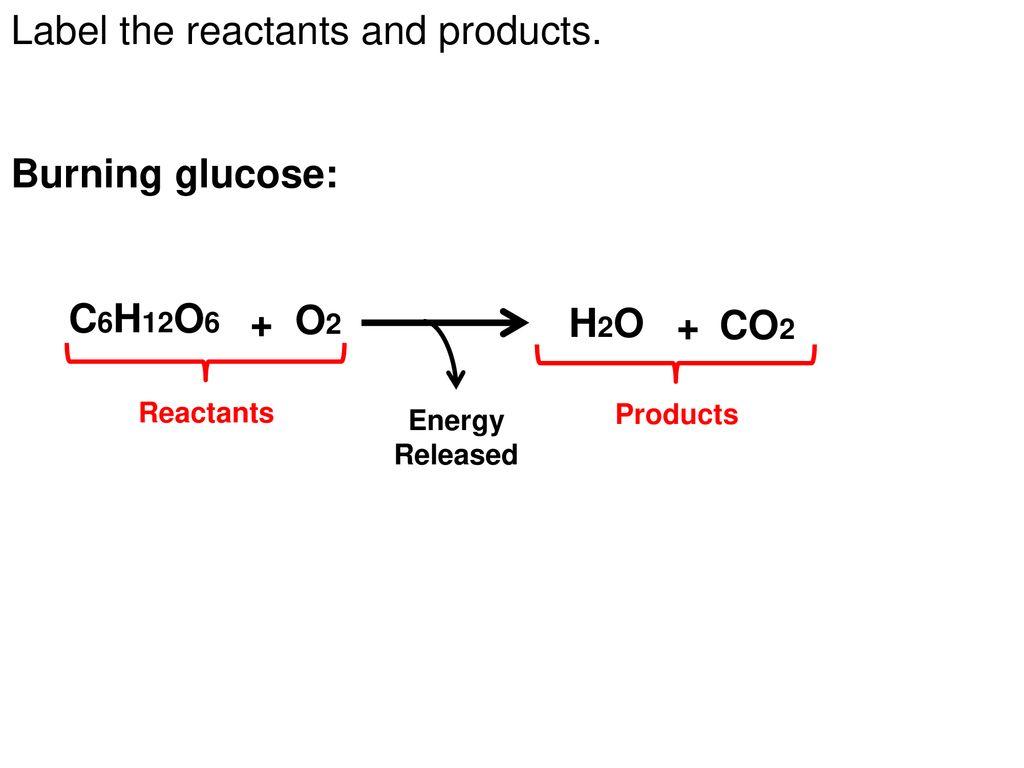
The organic molecules in living things undergo chemical ...
Label the reactants and products, and indicate how many atoms of each ... Label the reactants and products, and indicate how many atoms of each type of element are present on each side of the equation. C_{2}H_{6}O (l ) + 3 O_{2} ( g) →2 CO_{2}( g) + 3 H_{2}O( g) Analysis Reactants are on the left side of the arrow and products are on the right side in a chemical equation. When a formula contains a subscript ...

For the chemical equations shown below, label each reactant ...
Reactants and Products - CK12-Foundation Relating Reactants and Products The relationship between reactants and products in a chemical reaction can be represented by a chemical equation that has this general form: Reactants → Products The arrow (→) shows the direction in which the reaction occurs. In many reactions, the reaction also occurs in the opposite direction.

⚗️Drag each label to the correct location on the image ...
Worked example: Calculating amounts of reactants and products And then last but not least, we can do that with the water. 0.833 mole of H2O times its molar mass, times 18.02 grams per mole of water is going to give us approximately .833 times 18.02, gives us, three significant figures is going to be 15.0. 15.0 grams of water. And once again, those moles canceled out to give us the right units.
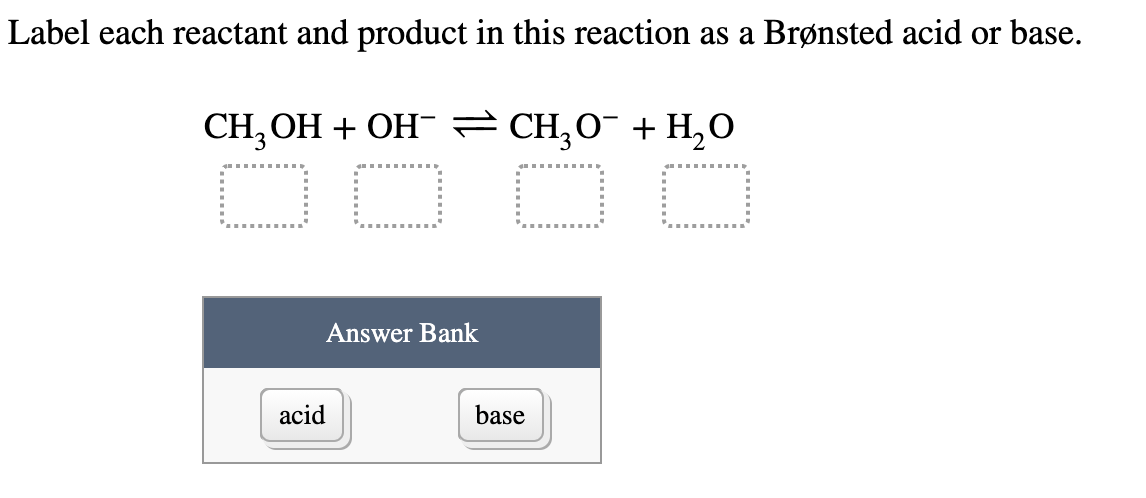
Answered: Label each reactant and product in this… | bartleby
Solved 1) A) Label the reactants and the products in the | Chegg.com Transcribed image text: 1) A) Label the reactants and the products in the following chemical equation. [1 point). CH4 + 202> CO2 + 2H2O B) Describe how the balanced chemical equation above illustrates the law of conservation of matter.
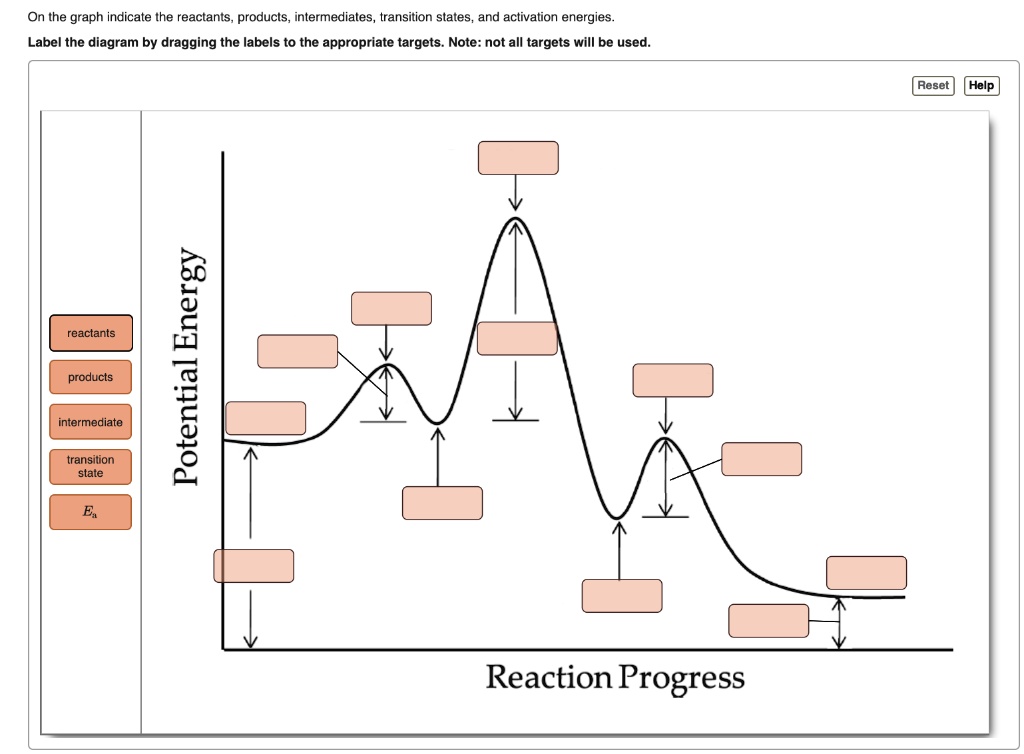
SOLVED: On the graph indicate the reactants; products ...
How to draw the potential energy diagram for this reaction? 2. Identify the sign of the enthalpy change, ΔH, along with its value. The decrease in chemical potential energy should be the same as the amount of thermal energy released. That is. Ereactants − Eproducts = 2219.9lkJ⋅ mol−1. However, since. ΔH = Eproducts −Ereactants , ΔH = −2219.9lkJ⋅ mol−1. Note that by convention, the ...

label the reactants and products in the given diagram of ...
Radioactive tracer - Wikipedia A radioactive tracer, radiotracer, or radioactive label is a chemical compound in which one or more atoms have been replaced by a radionuclide so by virtue of its radioactive decay it can be used to explore the mechanism of chemical reactions by tracing the path that the radioisotope follows from reactants to products.
Solved] Draw a reaction coordinate diagram that is consistent ...
Temperature and Rate of a Chemical Reaction | Chapter 6 ... Reactants must be moving fast enough and hit each other hard enough for a chemical reaction to take place. Increasing the temperature increases the average speed of the reactant molecules. As more molecules move faster, the number of molecules moving fast enough to react increases, which results in faster formation of products.

Reactants and Products | CK-12 Foundation
Predicting The Products of Chemical Reactions - YouTube This chemistry video tutorial explains the process of predicting the products of chemical reactions. This video contains plenty of examples and practice pro...

3.1 Reactants and Products
Reactants and Products - GeeksforGeeks A chemical equation is a mathematical statement that represents the production of a product from reactants while also indicating the conditions under which the reaction was carried out. The reactants are on the left, and the products are on the right, with one-headed or two-headed arrows connecting them. Consider a reaction. A + B → C + D Here,
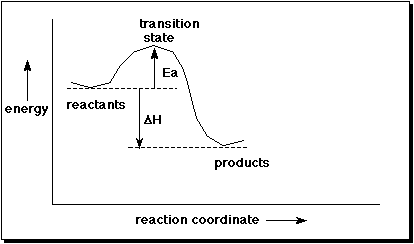
Quiz 2
Investigate the Kinetics of the Color Changing Iodine Clock ... The rate of a chemical reaction can be measured by how quickly the reactants disappear, or by how quickly the products are generated. The iodine clock reaction is a favorite demonstration in chemistry classes because it has an element of drama. Two clear solutions are mixed, producing a new clear solution. Then, after a period of several ...
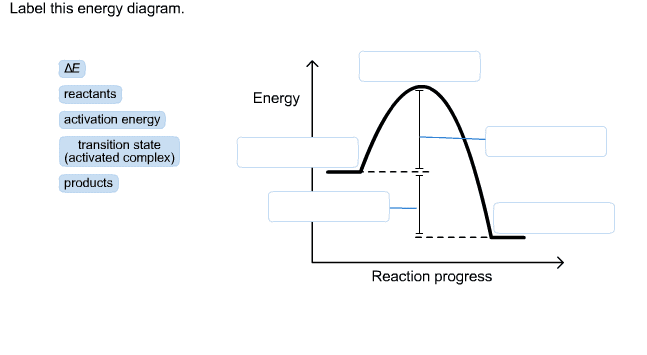
OneClass: Label this energy diagram. AE reactants activation ...
Label the reactants and the products - Brainly.com A reactant is a substance that takes part and undergoes a chemical change during a reaction, and a product is the result of the reaction. This chemical reaction here is photosynthesis. 6 compounds of carbon dioxide and 6 compounds of water (the reactants) are chemically combined to produce sugar and 6 oxygen molecules (the products).
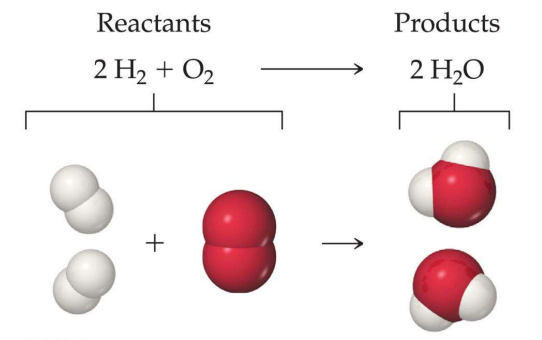
Reactants and Products Study Guide | Inspirit
What are the reactants and products of photosynthesis? - Answers You might mean the reactants, the reactants for photosynthesis are 6CO2 + 6H2O+ light energy. The products from these reactants are Oxygen, Glucose. Photosynthesis: 6CO2+6H2O+light energy--->6O2 ...

Draw an energy diagram for an exothermic reaction. Label the ...
7.2 Reactants and products | Chemical reactions | Siyavula REACTANTS (before the reaction) → PRODUCTS (after the reaction) Do you see how the atoms have rearranged? This means a chemical reaction has taken place. Label the diagram with 'reactants' and 'product'. The reaction between carbon and oxygen takes place when we burn coal. Coal is carbon and when it burns in oxygen gas, carbon dioxide is formed.
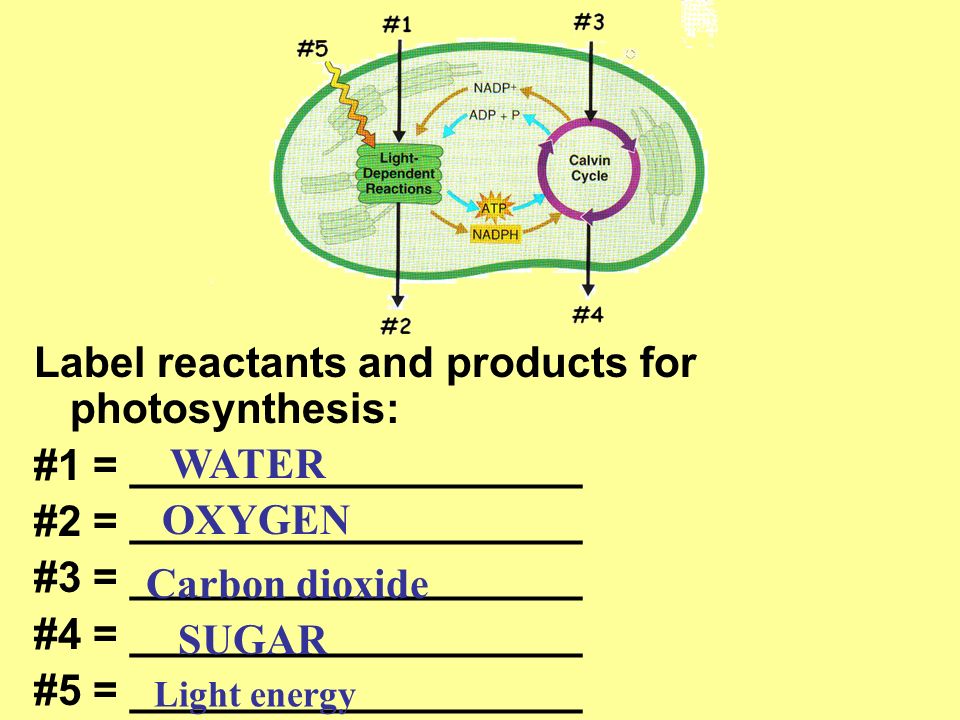
PHOTOSYNTHESIS PICTURE ID - ppt download
Difference Between Reactants and Products What is the difference between Reactants and Products? • Reactants are the substances consumed during a reaction and products are formed. • So reactants can be seen before a reaction whereas products are available after a reaction. (Sometimes unreacted reactants can also be present after a reaction.)
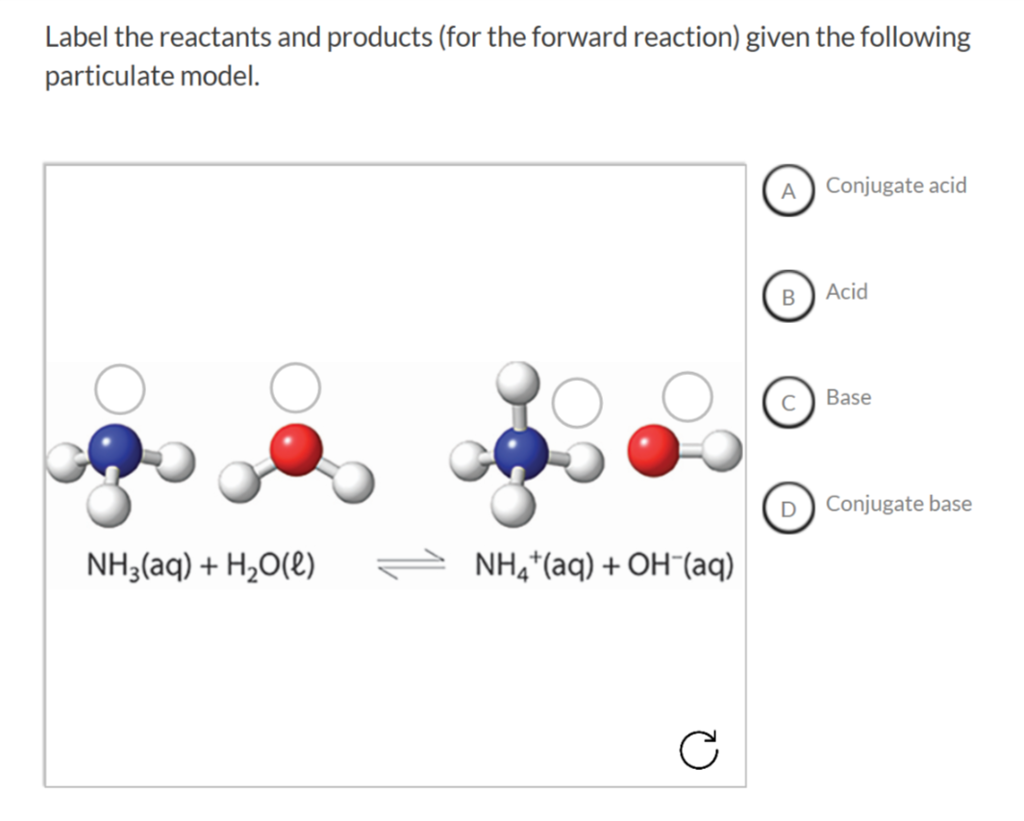
Solved Label the reactants and products (for the forward ...
Photosynthesis: Reactants and Products - Visible Body [Reactants] → [Products] You can think of the reactants as the ingredients for preparing a meal and the products as the different dishes in that meal. With that in mind, let's take a look at the chemical equation for photosynthesis: Sunlight + 6 CO 2 + 6 H 2 O → C 6 H 12 O 6 + 6 O 2 CO 2 = carbon dioxide H 2 O = water C 6 H 12 O 6 = glucose
Label each reactant and product in this reaction as a ...
Write A Chemical Reaction And Label The Reactants And Products Absolutely! Make an order to write my essay for me, and we will get an experienced paper writer to take on your task. When you set a deadline, some people choose to simply wait until the task is complete, but others choose a more hands-on process, utilizing the encrypted chat to contact their writer and ask for a draft or a progress update.
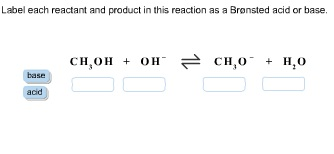
Solved Label each reactant and product in this reaction as a ...
Label the reactants and products, and indicate how many atoms of each ... Label the reactants and products, and indicate how many atoms of each type of element are present on each side of the equation. C2H6O (l) + 3 O2 (g) → 2 CO2 (g) + 3 H2O (g). Reactants are on the left side of the arrow and products are on the right side in a chemical equation.
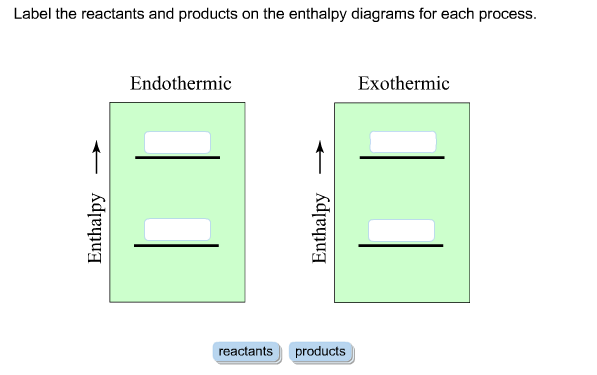
Solved Label the reactants and products on the enthalpy ...
a (3).docx - a. Label the reactants and the products in the... Label the reactants and the products in the following chemical equation. (1 point) CH4+ 2O2 CO2+ 2H2O Co2 and 2H2O are products and Ch4 and O2 are the reactants reactants = CH 4 and 2O 2 products = CO 2 and 2H 2 O
Atoms in Chemical Reactions
Mole Relations in Balanced Equations Example Problems - ThoughtCo The first step is to check to see that the chemical equation is balanced. Make sure the number of atoms of each element are the same on both sides of the equation. Remember to multiply the coefficient by all atoms following it. The coefficient is the number in front of a chemical formula. Multiply each subscript only by the atom right before it.
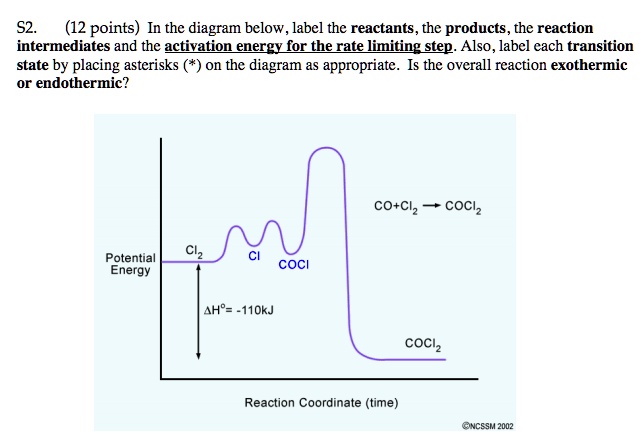
SOLVED: S2. (12 points) In the diagram below, label the ...
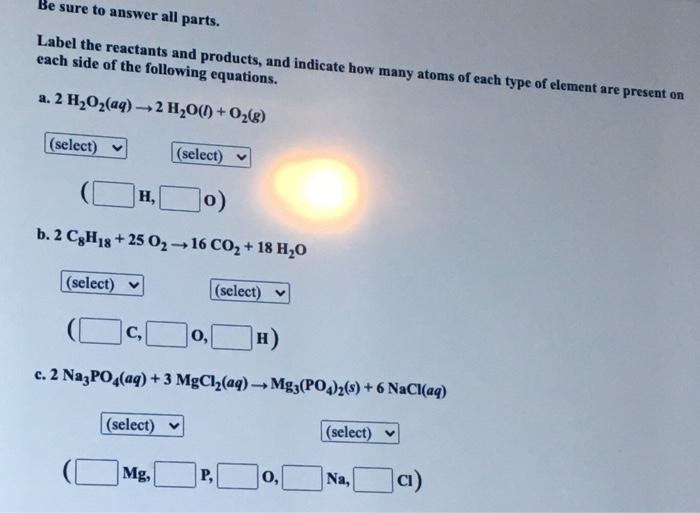
Solved Be sure to answer all parts. Label the reactants and ...
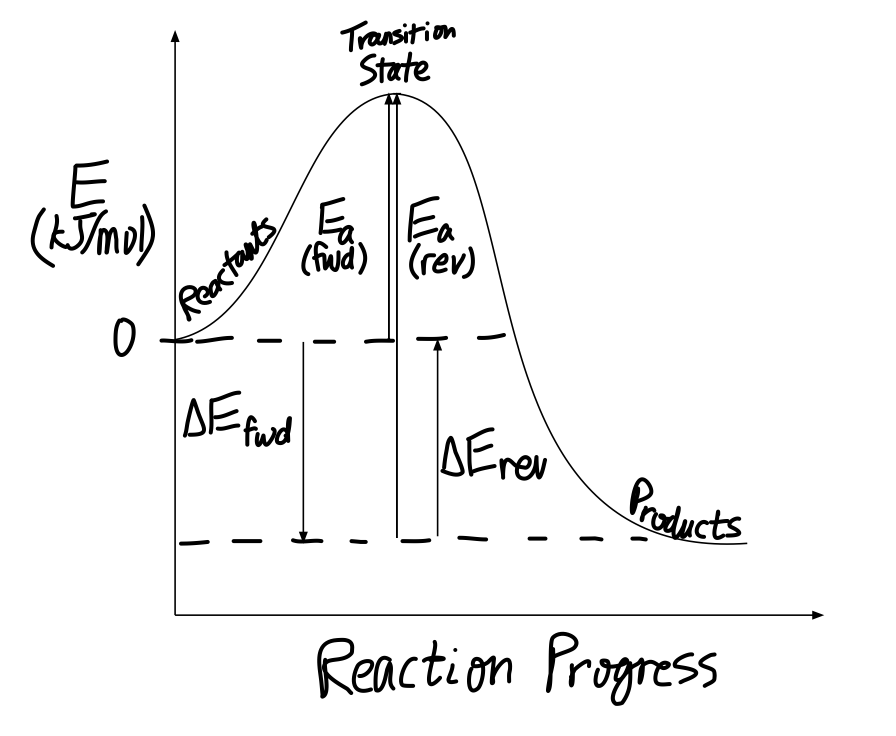
How would you draw and label energy diagrams that depict the ...
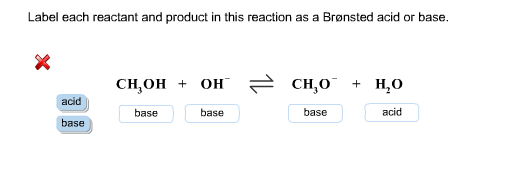
Solved Label each reactant and product in this reaction as a ...
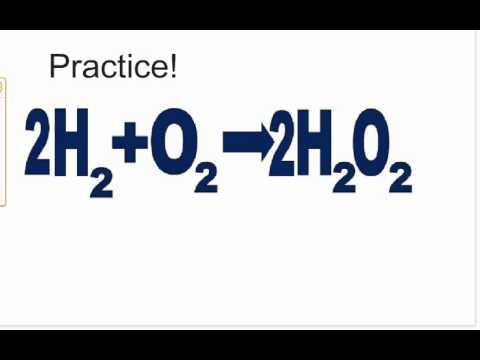
Labeling A Chemical Equation Part 2

Which diagram correctly labels the reactants and products of ...

Energy Diagram — Overview & Parts - Expii
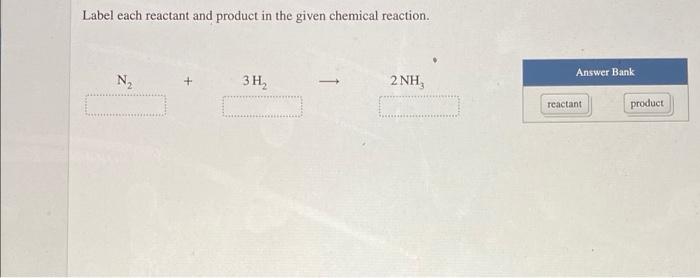
Solved Label each reactant and product in the given chemical ...
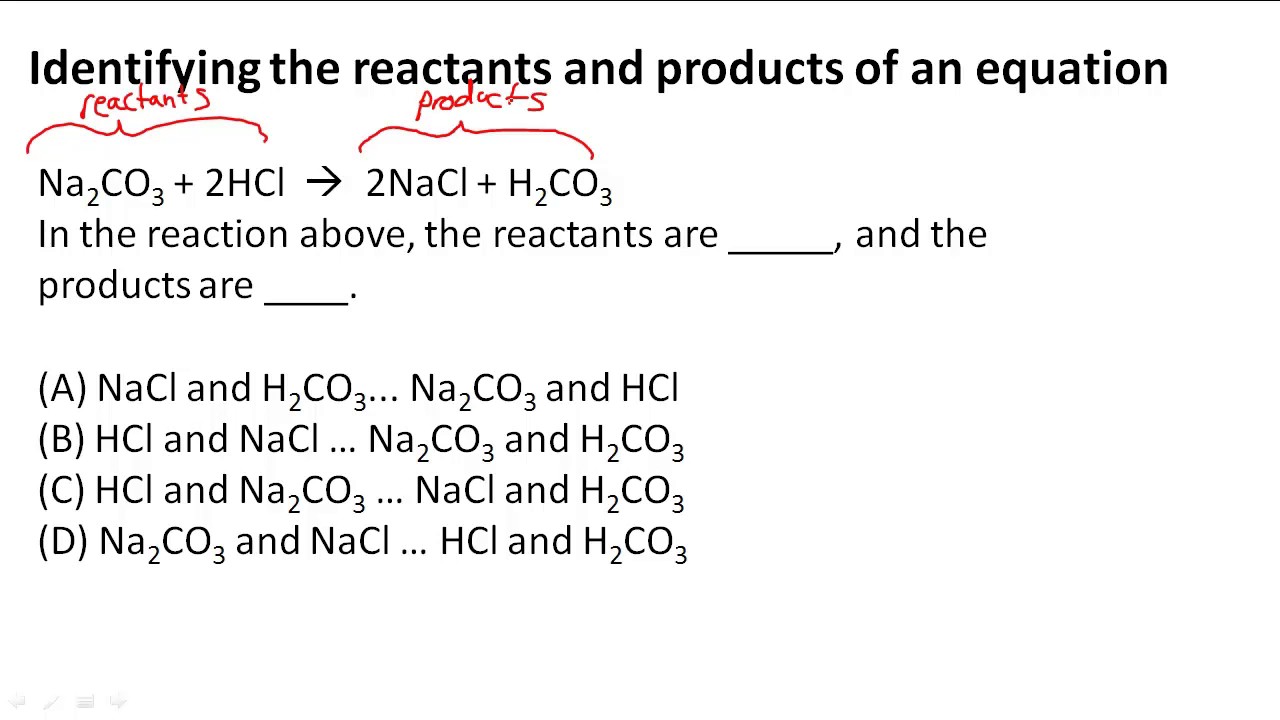
Identifying the reactants and products of an equation

Solved Label the reactants, products, and energy changes in ...
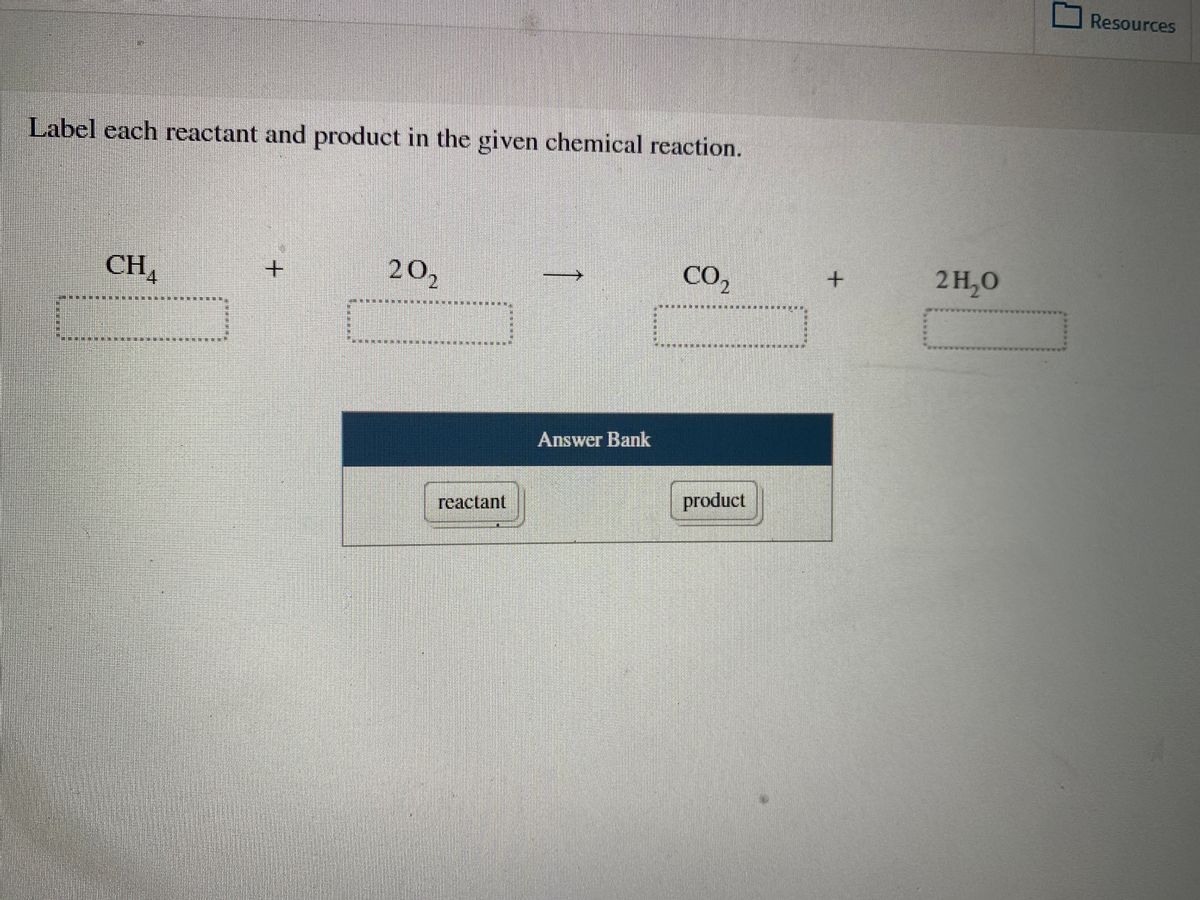
Answered: Label each reactant and product in the… | bartleby
Atoms in Chemical Reactions
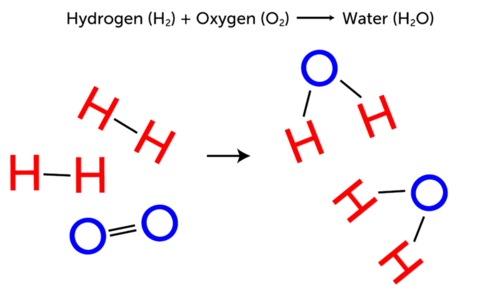
Reactants and Products | CK-12 Foundation
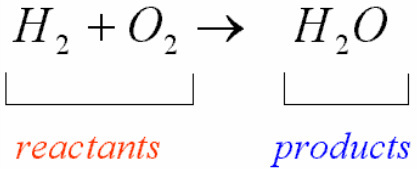
Reactants and Products Study Guide | Inspirit

See the diagram which illustrates the reaction between ...
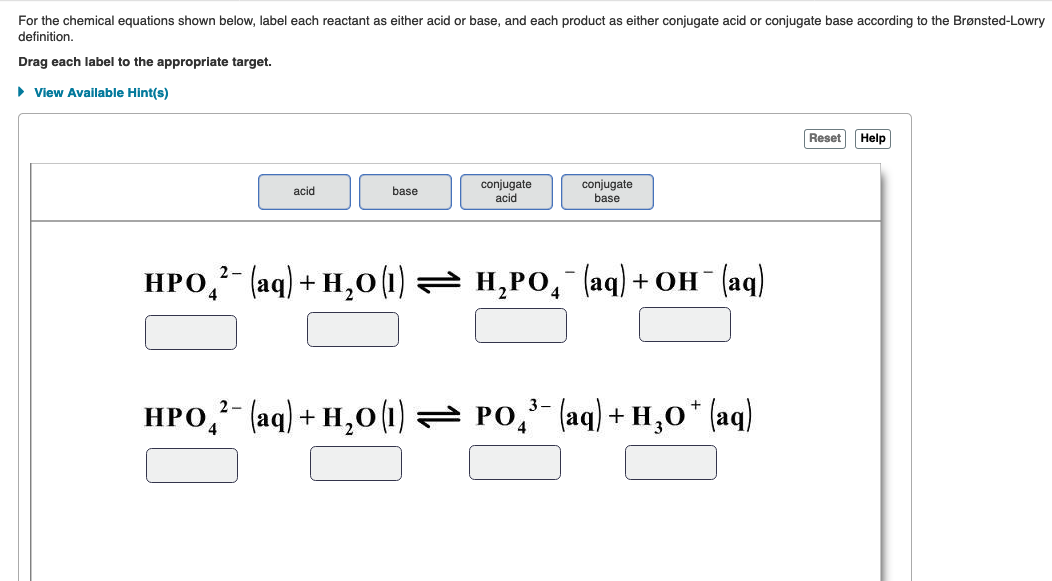
Answered: For the chemical equations shown below,… | bartleby
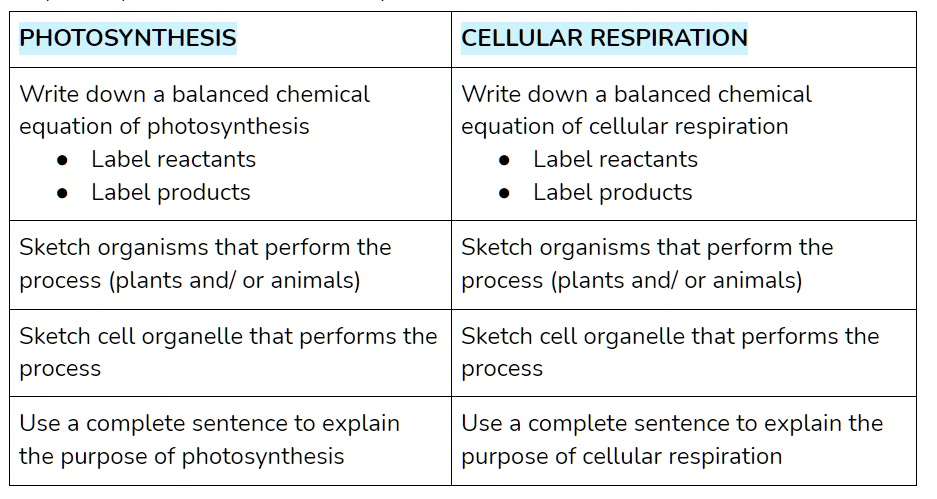
SOLVED: PHOTOSYNTHESIS CELLULAR RESPIRATION Write down a ...
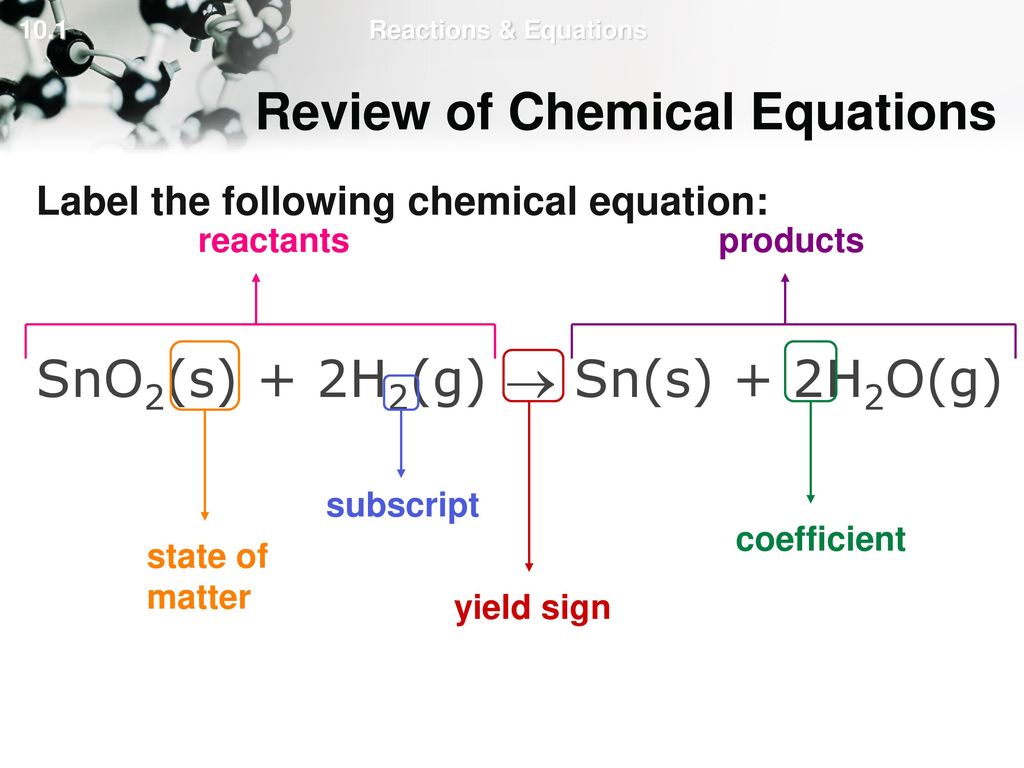
Unit 8: Chemical Equations - ppt download

7.2 Reactants and products | Chemical reactions | Siyavula

Energy Diagram — Overview & Parts - Expii
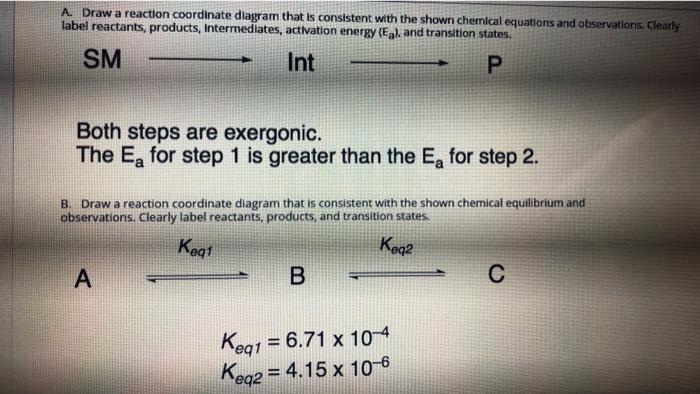
Solved A. Draw a reaction coordinate diagram that is | Chegg.com

Compare/contrast an ionic and covalent bond. - ppt download

⚗️Drag each label to the correct location on the image ...
Post a Comment for "43 how to label reactants and products"