45 label of a nucleotide
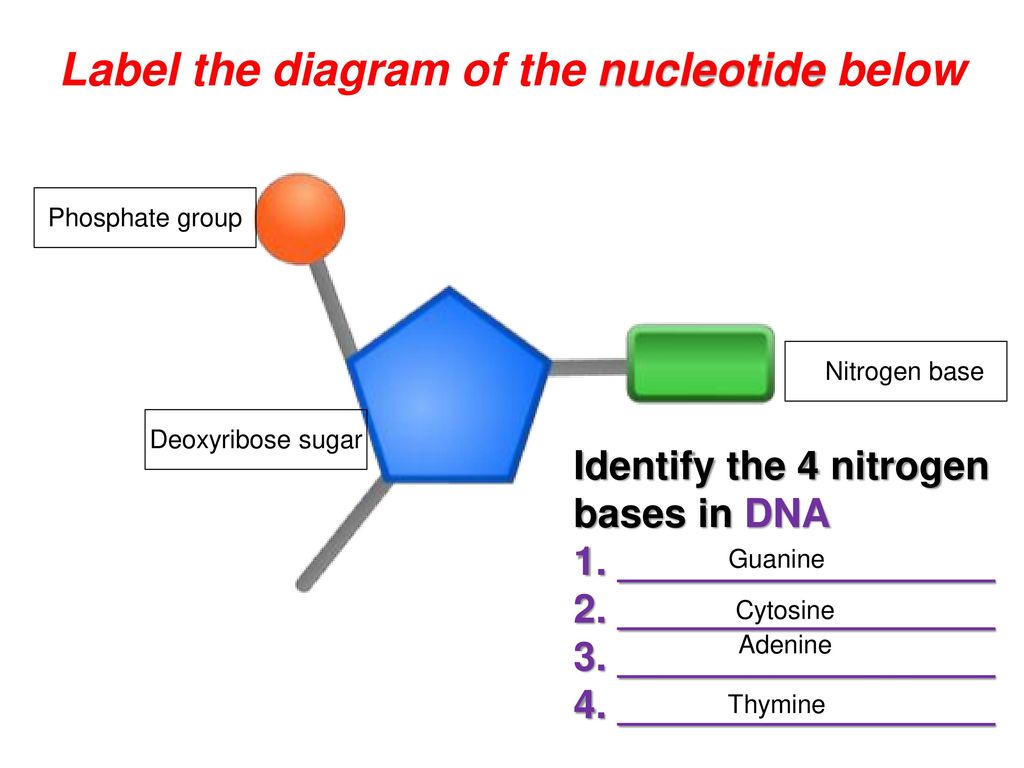
What Is a Nucleotide? Definition, Structure, and Function - PrepScholar The type of nucleotide is defined by its chemical base. There are five chemical bases: Adenine Cytosine Guanine Thymine Uracil The base and the amount of phosphate residue define how the compound is named. For example, an Adenine nucleotide with one phosphate group is called adenosine monophosphate. The 5 Kinds of Nucleotides - ThoughtCo Each nucleotide is a polymer made up of three parts: A five-carbon sugar (2'-deoxyribose in DNA or ribose in RNA) A phosphate molecule A nitrogenous (nitrogen-containing) base Names of Nucleotides DKosig / Getty Images The five bases are adenine, guanine, cytosine, thymine, and uracil, which have the symbols A, G, C, T, and U, respectively.
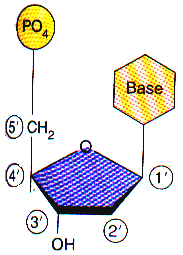
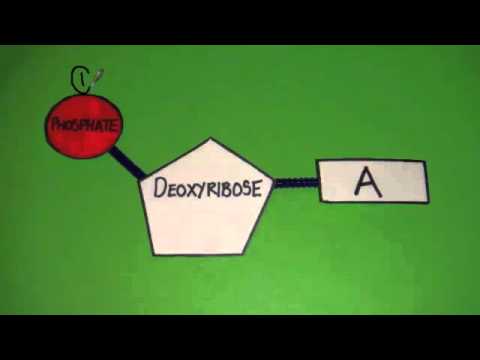
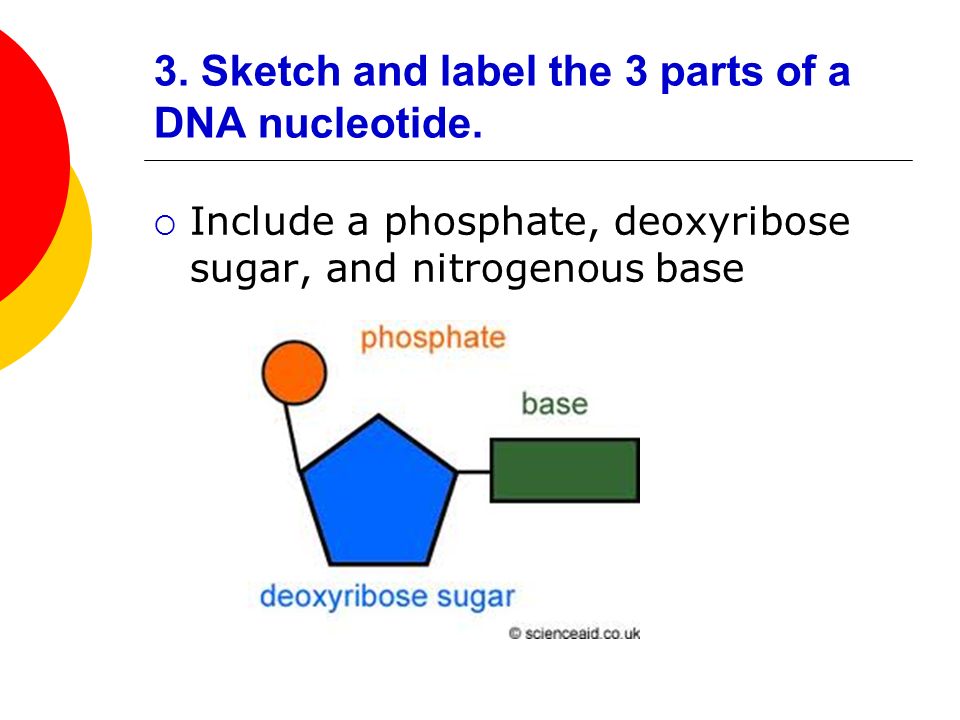
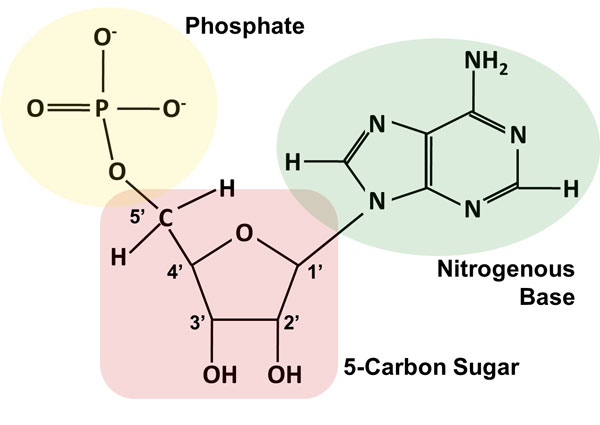
Nucleotide Structure: DNA Diagram - Science Trends Nucleotides are molecules which serve as the building blocks, or monomer units, for the creation of important polymers like ribonucleic acid or RNA and deoxyribonucleic acid or DNA. As mentioned, nucleotides have three component parts: a five-sided carbon sugar, a nitrogen-containing base, and a phosphate group.

Label of a nucleotide
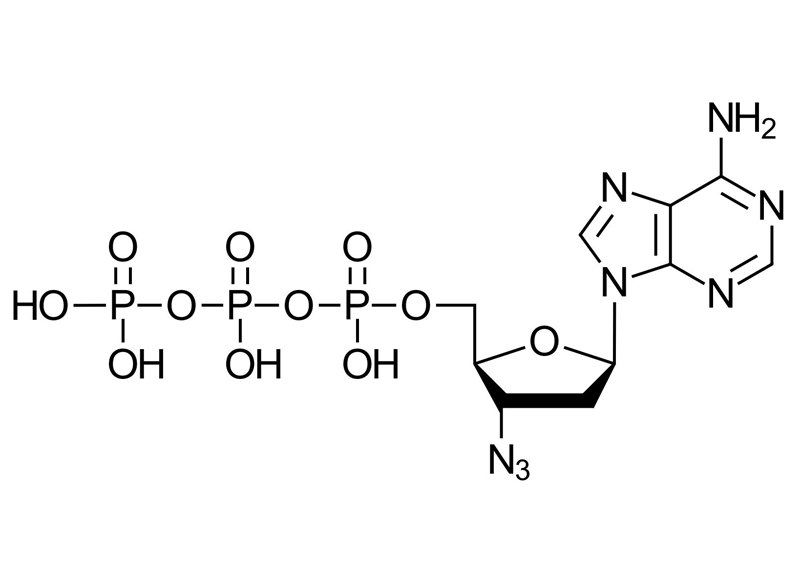
Nucleotides labeled with... - Jena Bioscience Nucleotides labeled with... Biotin Adenosines Guanosines Uridines Cytidines Desthiobiotin Digoxigenin DNP (Dinitrophenol) Photo-labile groups ("Caged") Adenosines Guanosines Xanthosines Triple bonds (Alkyne) DBCO Azide (-N 3) Adenosines Guanosines Uridines Cytidines Thymidines TCO Vinyl Free amino group (-NH 2) Adenosines Guanosines Cytidines Nucleotides | Types, Examples, Functions & Classification Nucleotides are the biological molecules that serve as the building blocks of nucleic acids like DNA and RNA. They are essential for all the functions performed by a living cell. Not only this, but they are also essential for transferring information to new cells or the next generation of the living organisms. Use the drop-down menus to label the parts of a nucleotide. Use the drop-down menus to label the parts of a nucleotide. Label A Label B Label C Label D Label E Label F Label A is a blue circle, label B is a grey hexagon, label C is adenine, label D is uracil, label E is a pink hexagon, and label F is a blue circle. 2 See answers Advertisement jarahquiroga Answer: A and F are phosphate groups
Label of a nucleotide. DNA and RNA Probe Labeling | Radiolabeled Nucleotides - PerkinElmer labeled nucleotides may be incorporated by a variety of methods including in vitro transcription with sp6, t3 or t7 rna polymerase, 3' end labeling with terminal deoxynucleotidyl transferase (tdt), t4 dna polymerase or t7 dna polymerase, random primed dna labeling with klenow fragment, cdna labeling with amv or m-mulv reverse transcriptase, nick … Nucleotide: Structure, Examples and Function - BYJUS Nucleotides are named as Adenylic acid, Guanylic acid, Thymidylic acid, Cytidylic acid and Uridylic acid. Nucleotides are also named as nucleoside mono, di or triphosphate, based on the number of phosphate groups attached to it, e.g. Adenosine monophosphate (AMP), Adenosine diphosphate (ADP) or Adenosine triphosphate (ATP). Home - Nucleotide - NCBI - National Center for Biotechnology Information The Nucleotide database is a collection of sequences from several sources, including GenBank, RefSeq, TPA and PDB. Genome, gene and transcript sequence data provide the foundation for biomedical research and discovery. Using Nucleotide Quick Start Guide FAQ Help GenBank FTP RefSeq FTP Nucleotide Tools Submit to GenBank LinkOut E-Utilities BLAST Nucleotide - Wikipedia Nucleotides are composed of three subunit molecules: a nucleobase, a five-carbon sugar ( ribose or deoxyribose ), and a phosphate group consisting of one to three phosphates. The four nucleobases in DNA are guanine, adenine, cytosine and thymine; in RNA, uracil is used in place of thymine.
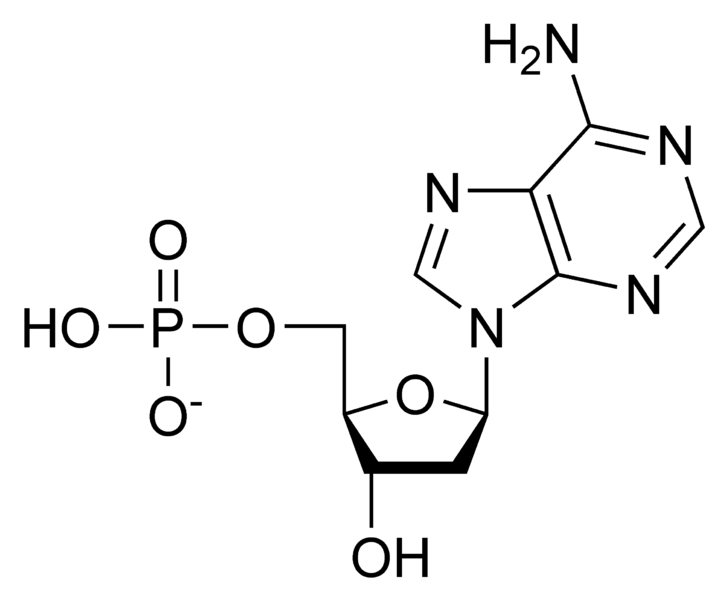
What are the three parts of a nucleotide? Flashcards | Quizlet What are the three parts of a nucleotide? Phospate, sugur, nitrogen base. Nucleotide. basic unit. surgery in DNA. deoxylibonuelic. hydrogen bonds. 15.1: Nucleotides - Chemistry LibreTexts The repeating, or monomer, units that are linked together to form nucleic acids are known as nucleotides.The deoxyribonucleic acid (DNA) of a typical mammalian cell contains about 3 × 10 9 nucleotides. Nucleotides can be further broken down to phosphoric acid (H 3 PO 4), a pentose sugar (a sugar with five carbon atoms), and a nitrogenous base (a base containing nitrogen atoms). Labeling Oligonucleotides and Nucleic Acids—Section 8.2 the labeled aha-dutp and aha-dctp nucleotides can be used to generate labeled nucleic acid hybridization probes for many molecular biology and molecular cytogenetics applications, including two-color microarray assays, northern and southern blots, colony and plaque hybridizations, dna sequencing, primer extension, dna and rna amplification and … What are the Three Parts of a Nucleotide? | Albert.io Nucleotides are made up of 3 parts. The first is a distinct nitrogenous base, which is adenine, cytosine, guanine or thymine. In RNA, thymine is replaced by uracil. These nitrogenous bases are either purines or pyrimidines. Base pairs are formed when adenine forms a hydrogen bond with thymine, or cytosine forms a hydrogen bond with guanine.
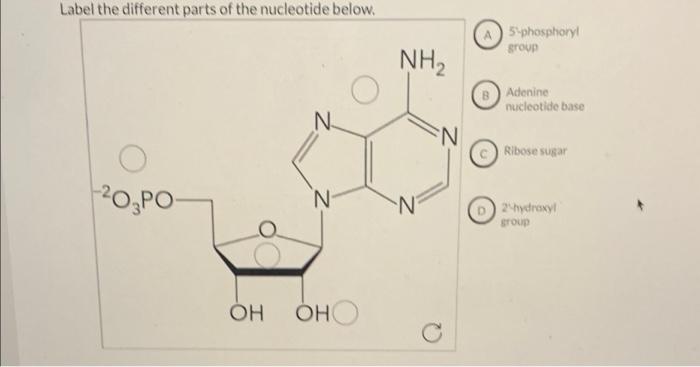
Methods for Labeling Nucleic Acids - Thermo Fisher Scientific Numerous reagents are available for quick and efficient benchtop oligonucleotide labeling, and they are most useful for making small amounts of probe or when many different probes with the same label are required (i.e., for mutational analysis). For small-scale probe generation needs, enzymatic methods are an economical method for labeling probes. Solved Correctly label the parts of the two-nucleotide - Chegg Expert Answer. 100% (36 ratings) Transcribed image text: Correctly label the parts of the two-nucleotide nucleic acid depicted Drag the appropriate labels to their respective targets Reset Help 5' position H2C OH in RNA Nitrogen base attached to 1' position 3' position Phosphodiester bond Deoxyribose 2 Phosphate Base. Incorporation of reporter-labeled nucleotides by DNA polymerases Nucleotide analogs are routinely used to label, isolate, study, and manipulate DNA in a wide variety of applications . These nonradioactive nucleotide analogs are introduced into a DNA strand by chemical and enzymatic 5′ and 3′ end labeling and through internal enzymatic labeling or post-labeling methods . Most methods however, replace only ... Use the drop-down menus to label the parts of a nucleotide. - Brainly.com A nucleotide is a molecule composed of a pentose sugar (ribose in RNA and deoxyribose in DNA), a nitrogenous base, and a phosphate group. In DNA, there are four types of nucleotides that contain four different classes of nitrogen bases: Adenine, Guanine, Cytosine and Thymine. In RNA, Thymine bases are replaced by Uracil bases.
Review of Cell Structure
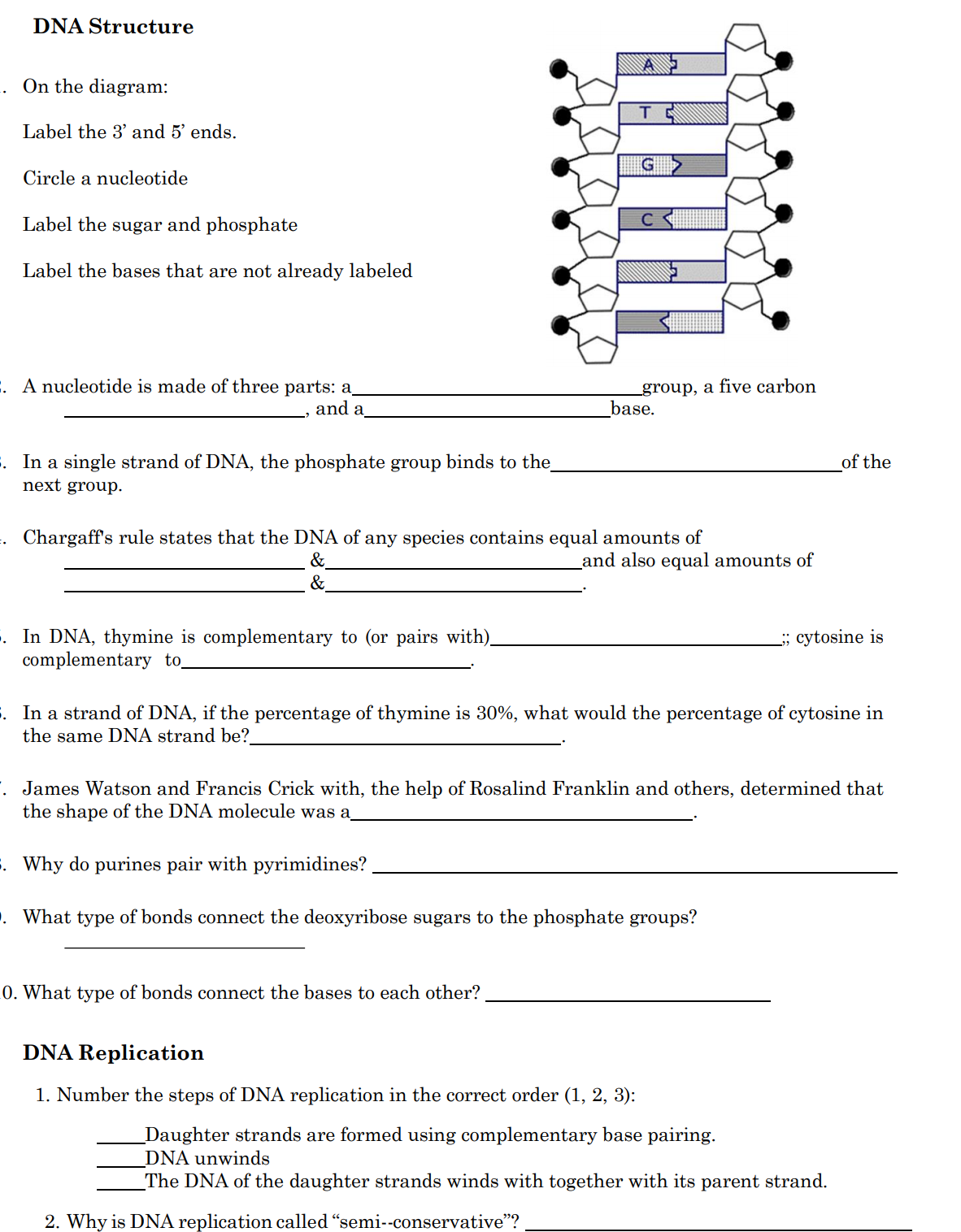
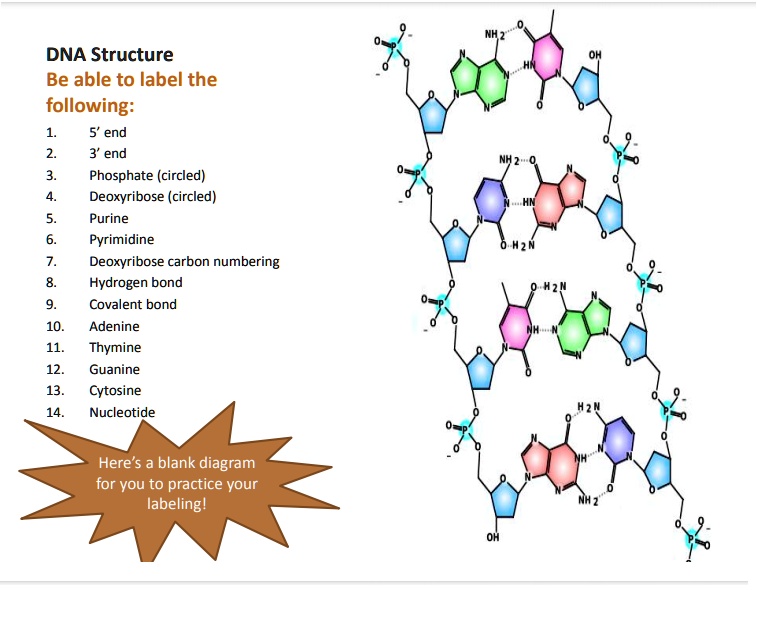
DNA Molecule Label Diagram | Quizlet Phosphate. Molecule found on the side of a DNA molecule. Double Helix. two strands of nucleotides wound about each other; structure of DNA. Thymine. the nucleotide that hydrogen bonds with the nucleotide adenine in DNA. Adenine. the nucleotide that hydrogen bonds with the nucleotide thymine in DNA or with uracil in RNA.
3'-Azido-ddATP - baseclick GmbH
How do you draw a nucleotide and label its three basic parts? - Toppr Ask Solution. Verified by Toppr. The above structure is a nucleotide. It consists of a: phosphate group. 5-carbon sugar, and. nitrogenous base. Was this answer helpful?
Solved Label the different parts of the nucleotide below, A ...
Nucleotide - Definition, Structure (3 Parts), Examples & Function A nucleotide is an organic molecule that is the building block of DNA and RNA. They also have functions related to cell signaling, metabolism, and enzyme reactions. A nucleotide is made up of three parts: a phosphate group, a 5-carbon sugar, and a nitrogenous base. The four nitrogenous bases in DNA are adenine, cytosine, guanine, and thymine.
Answered: DNA Structure On the diagram: Label the… | bartleby
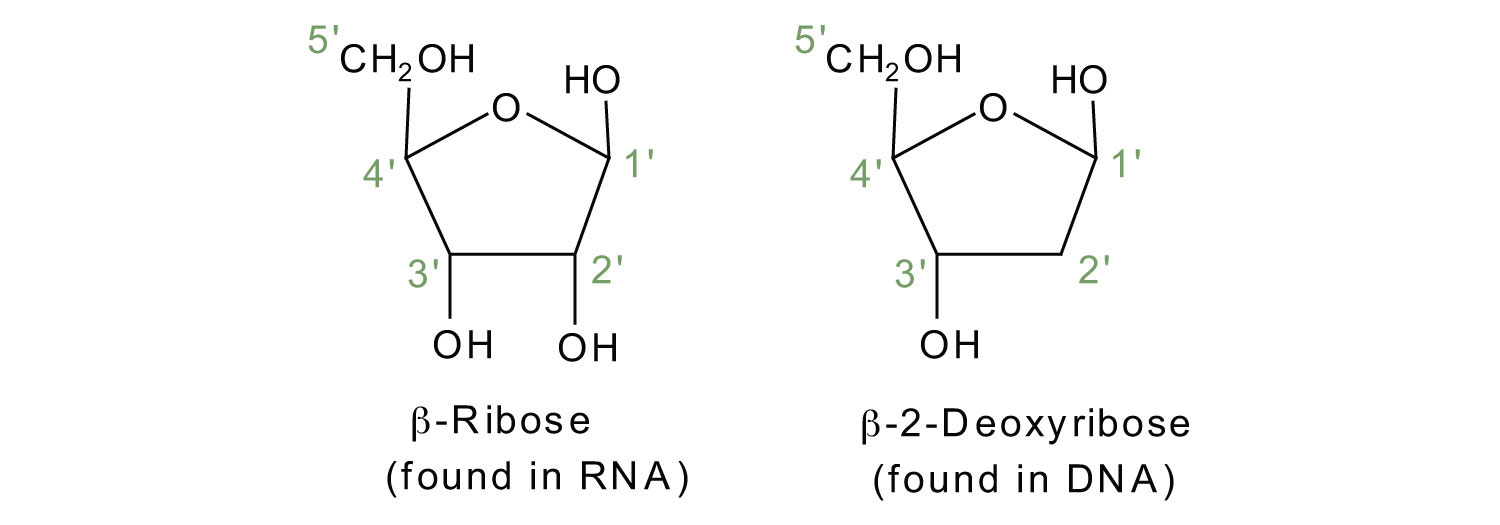
27.1: Nucleotides and Nucleic Acids - Chemistry LibreTexts The repeating, or monomer, units that are linked together to form nucleic acids are known as nucleotides.The deoxyribonucleic acid (DNA) of a typical mammalian cell contains about 3 × 10 9 nucleotides. Nucleotides can be further broken down to phosphoric acid (H 3 PO 4), a pentose sugar (a sugar with five carbon atoms), and a nitrogenous base (a base containing nitrogen atoms).
Chapter 8 From DNA to Proteins - ppt video online download
How do you draw a nucleotide and label its three basic parts? How do you draw a nucleotide and label its three basic parts? Biology Molecular Biology Basics Nucleic Acids 1 Answer Maxwell Jul 19, 2017 See below Explanation: The above structure is a nucleotide. It consists of a: phosphate group 5-carbon sugar, and nitrogenous base. Answer link
What are the Three Parts of a Nucleotide? | Albert.io
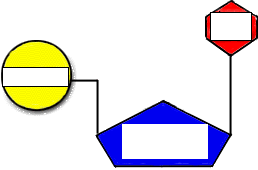
Solved The diagram depicts the general structure of DNA, | Chegg.com You'll get a detailed solution from a subject matter expert that helps you learn core concepts. Question: The diagram depicts the general structure of DNA, with a single nucleotide circled. Label the diagram with the names of the three components of a nucleotide Anwer Bank nitrogenous base phosphate group deutytibes.

Rapid and label-free single-nucleotide discrimination via an ...
3 Parts of a Nucleotide and How They Are Connected - ThoughtCo Nucleotides in DNA and RNA Both deoxyribonucleic acid (DNA) and ribonucleic acid (RNA) are made up of nucleotides which consist of three parts: Nitrogenous Base Purines and pyrimidines are the two categories of nitrogenous bases. Adenine and guanine are purines. Cytosine, thymine, and uracil are pyrimidines.
27.1: Nucleotides and Nucleic Acids - Chemistry LibreTexts
Numbering convention for nucleotides - Bio-Syn Figure 1 shows the general structure of nucleotides illustrating the numbering convention for the pentose ring. The ribose structure is shown in the Haworth projection. Phosphate groups join the nucleic acid monomers together in a linear manner. Phosphate groups are attached to the 3' and 5' positions of the ribose sugars.
3.3.1 Outline DNA Nucleotide Structure
Nucleotide - Genome A nucleotide is the basic building block of nucleic acids (RNA and DNA). A nucleotide consists of a sugar molecule (either ribose in RNA or deoxyribose in DNA) attached to a phosphate group and a nitrogen-containing base. The bases used in DNA are adenine (A), cytosine (C), guanine (G) and thymine (T).
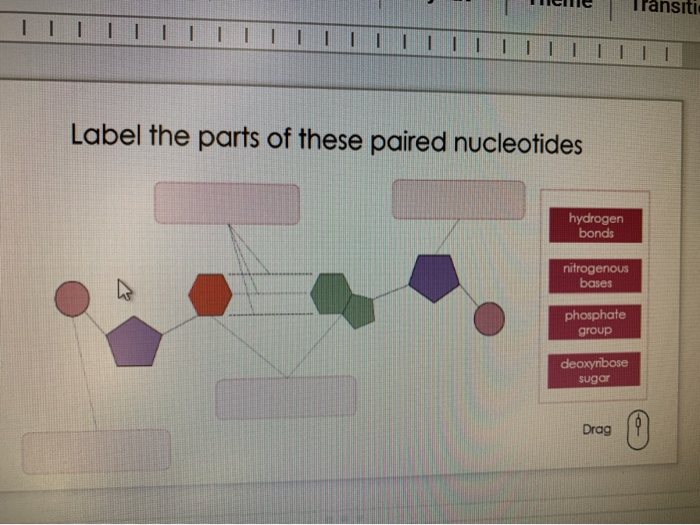
Solved Transiti III IIIIIIIIIIIIIIIIIIIIIII Label the parts ...
How do you label nucleotide bases? - KnowledgeBurrow.com How do you label nucleotide bases? A DNA strand is made of four bases, classified with the letters A, C, T, and G. A stands for adenine (a purine); C stands for cytosine (a pyrimidine); G stands for Guanine (also a purine); and T represents Thymine (a pyrimidine). The "rules" are that C always pairs with G, and A always pairs with T.

File:DNA labels.jpg - Wikimedia Commons
Use the drop-down menus to label the parts of a nucleotide. Use the drop-down menus to label the parts of a nucleotide. Label A Label B Label C Label D Label E Label F Label A is a blue circle, label B is a grey hexagon, label C is adenine, label D is uracil, label E is a pink hexagon, and label F is a blue circle. 2 See answers Advertisement jarahquiroga Answer: A and F are phosphate groups
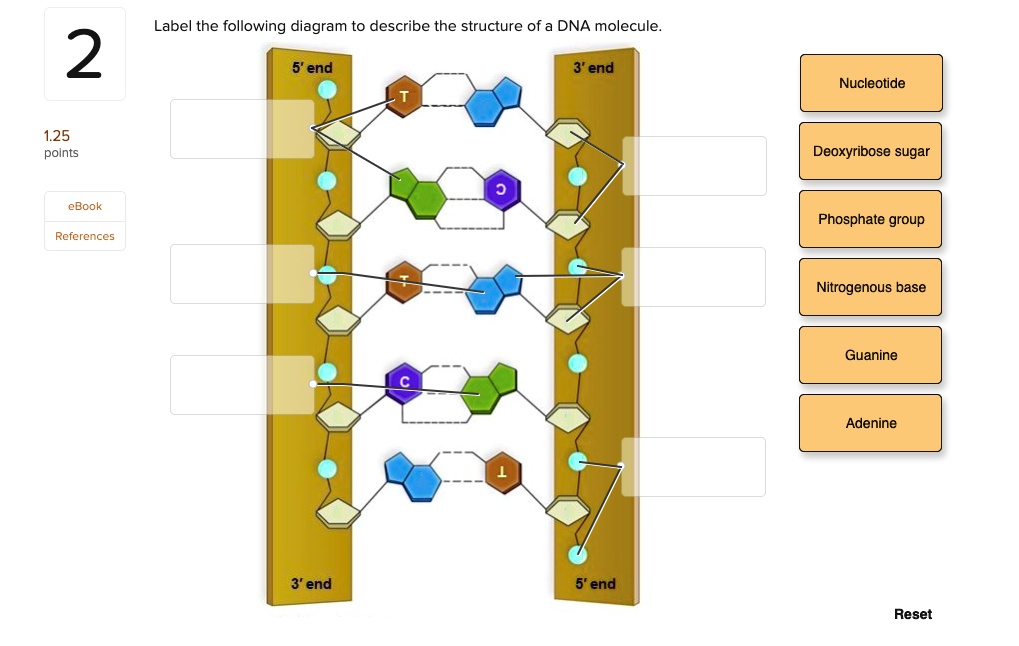
SOLVED: Label the following diagram to describe the structure ...
Nucleotides | Types, Examples, Functions & Classification Nucleotides are the biological molecules that serve as the building blocks of nucleic acids like DNA and RNA. They are essential for all the functions performed by a living cell. Not only this, but they are also essential for transferring information to new cells or the next generation of the living organisms.

Topic 6: DNA and its processes Flashcards | Quizlet
Nucleotides labeled with... - Jena Bioscience Nucleotides labeled with... Biotin Adenosines Guanosines Uridines Cytidines Desthiobiotin Digoxigenin DNP (Dinitrophenol) Photo-labile groups ("Caged") Adenosines Guanosines Xanthosines Triple bonds (Alkyne) DBCO Azide (-N 3) Adenosines Guanosines Uridines Cytidines Thymidines TCO Vinyl Free amino group (-NH 2) Adenosines Guanosines Cytidines
What do 3' and 5' in a DNA structure mean? - Quora
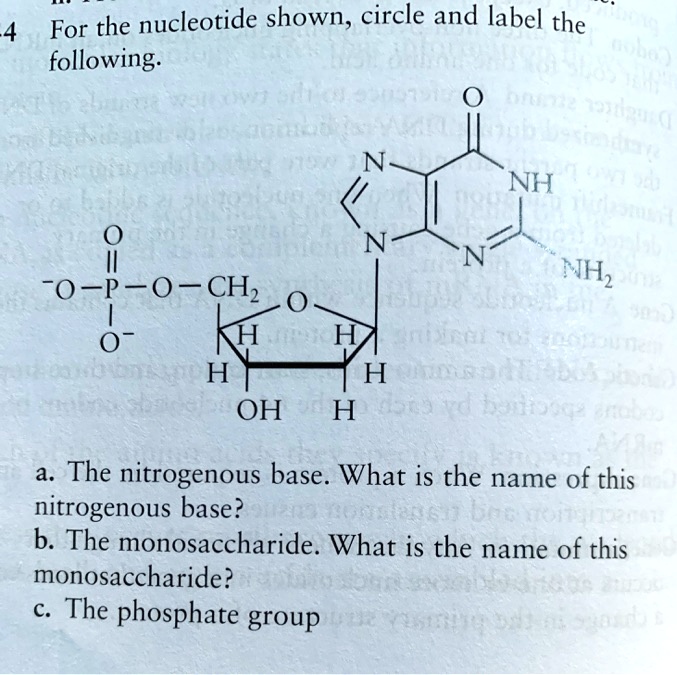
SOLVED: 4 For the nucleotide shown, circle and label the ...
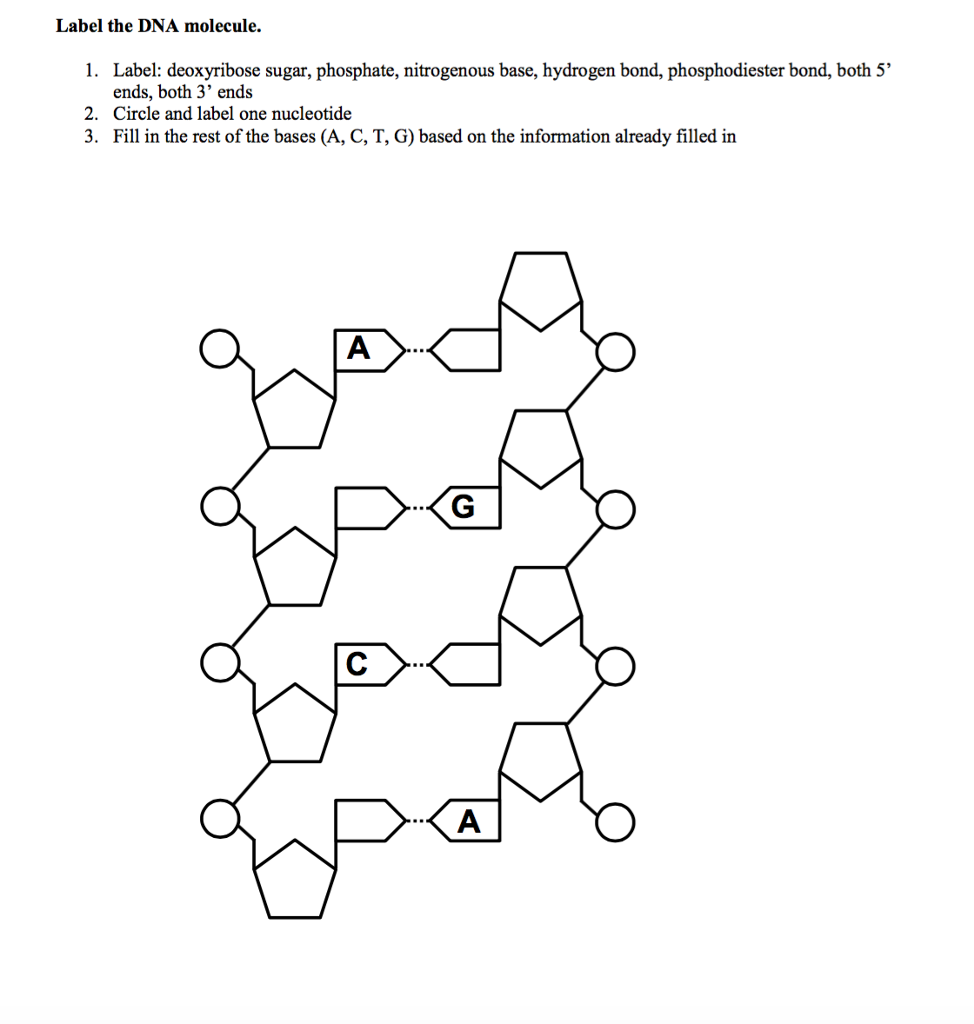
Solved Label the DNA molecule. Label: deoxyribose sugar ...
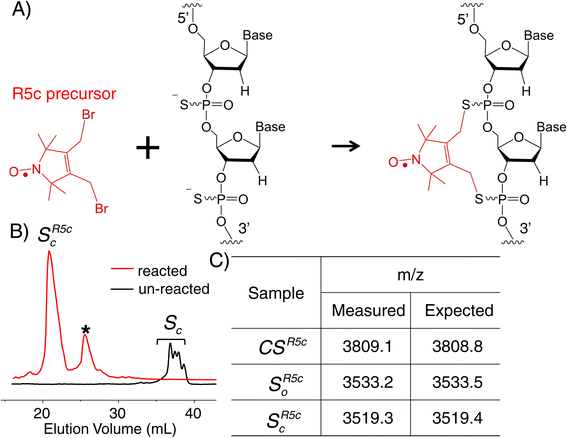
A nucleotide-independent cyclic nitroxide label for ...
DNA, RNA and Protein Synthesis Review - ppt video online download
Label the structures of this single nucleotide. a. Phosphate ...

Draw a nucleotide. Label the phosphate, nitrogenous base ...
:max_bytes(150000):strip_icc()/what-are-the-parts-of-nucleotide-606385-FINAL-5b76fa94c9e77c0025543061.png)
3 Parts of a Nucleotide and How They Are Connected
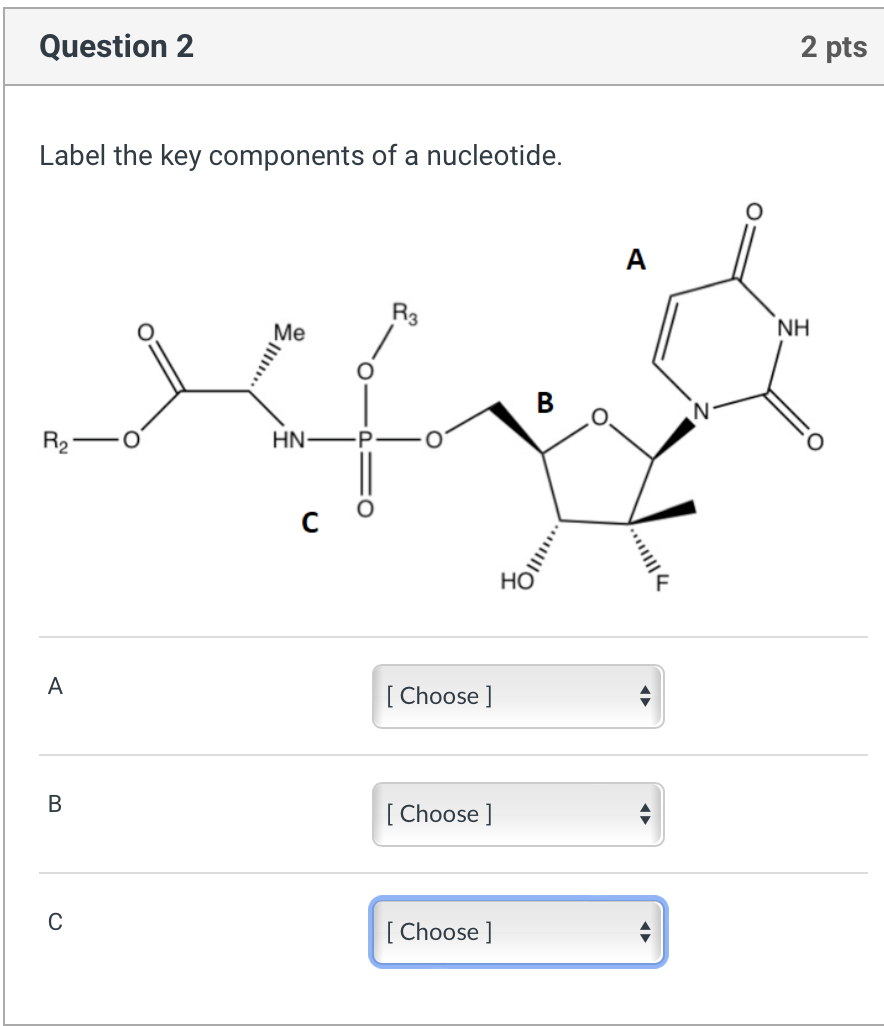
Solved Question 2 2 pts Label the key components of a | Chegg.com

Label the diagram. Use these choices: nucleotide, deoxyribose ...
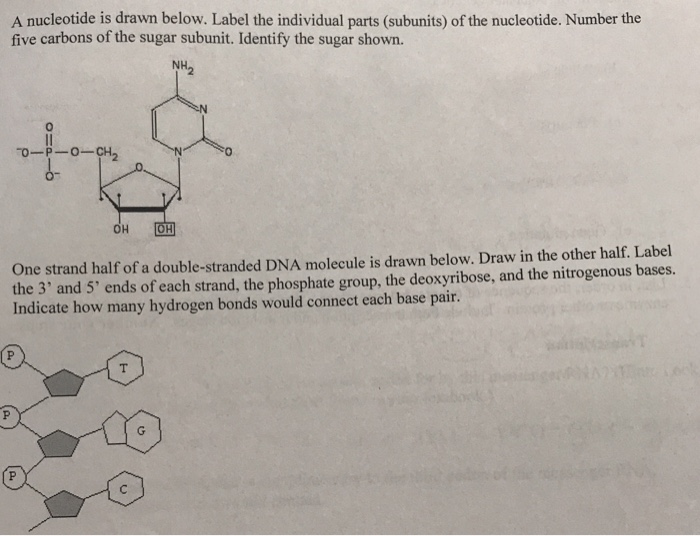
Solved A nucleotide is drawn below. Label the individual ...

Cell- and Polymerase-Selective Metabolic Labeling of Cellular ...
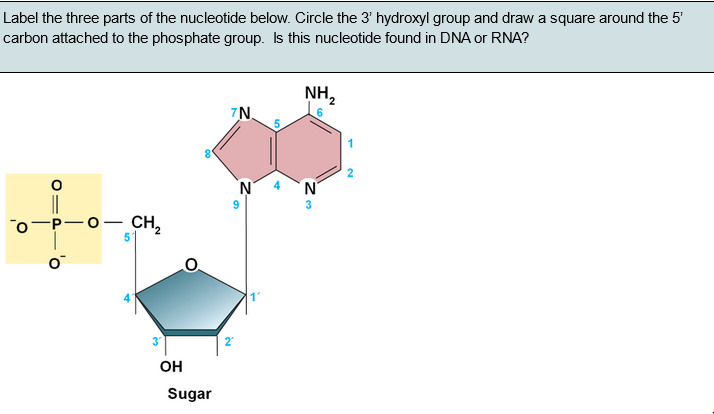
Solved Label the three parts of the nucleotide below. Circle ...
:max_bytes(150000):strip_icc()/dna-versus-rna-608191_sketch_Final-54acdd8f8af04c73817e8811c32905fa.png)
3 Parts of a Nucleotide and How They Are Connected

Label the phosphate group, pentose sugar, and nitrogenous ...

Draw a DNA molecule and label the units. | Homework.Study.com
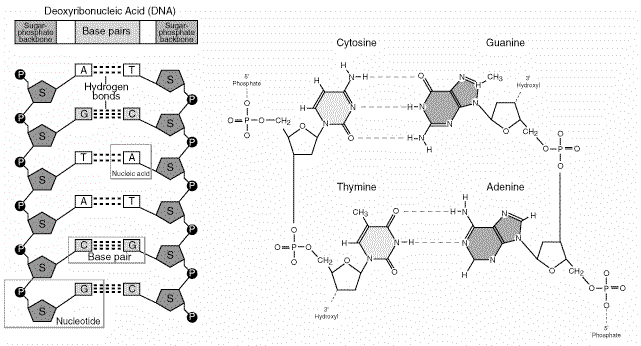
DNA Structure | Contexo.Info

3.3 DNA Structure | BioNinja

Label‐Free Colorimetric Detection of Single Nucleotide ...

DNA and RNA Probe Labeling | Radiolabeled Nucleotides
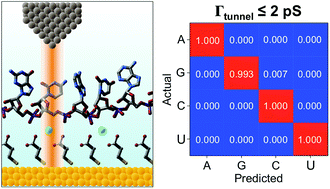
Nucleotide and structural label identification in single RNA ...

What Are the Three Parts of a Nucleotide?

How do you draw a nucleotide and label its three basic parts?
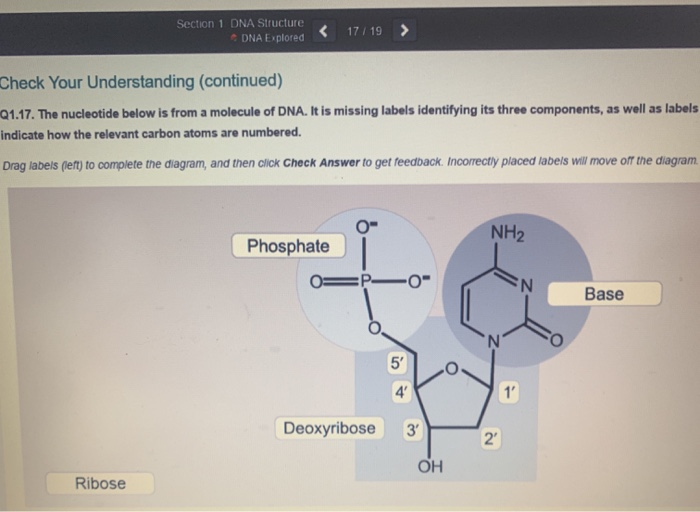
Solved Section 1 DNA Structure DNA Explored 17 / 19 > Check ...
How do you draw a nucleotide and label its three basic parts ...
SOLVED: DNA Structure Be able to label the following: 5' end ...

How do you draw a nucleotide and label its three basic parts ...
Solved] How to draw and label the different parts of an RNA ...
Reading 9-1, 9-2
Answered: DNA Structure On the diagram: Label the… | bartleby

Fluorescent & Hapten Labeled Nucleotides | PerkinElmer

Site-Specific Labeling of RNA at Internal Ribose Hydroxyl ...
Post a Comment for "45 label of a nucleotide"